CSDS 271 Course Syllabus
CSDS 271 COURSE SYLLABUS
FOUNDATIONS OF TEACHING
Semester: Fall 202X
Course Section:
Units: 3
Time: Asynchronous/Synchronous online course
Location: 100% Online
Website: www.fresnostate.edu/chhs/csds
To access the course, log in to Canvas using your Fresno State username and password. For help with Canvas, contact the Academic Technology Resource Center at 278-7373 or email canvas@mail.fresnostate.edu.
California State University, Fresno
Communicative Sciences and Deaf Studies Department / Deaf Education Program
Instructor Name: Janice Smith-Warshaw, Ed.D.
Office Location: Virtual meeting
E-Mail: jsmithwarshaw@csufresno.edu
Telephone: (559) 387-5305 (VP)
Office Hours: M (9:30-11:30AM)
W (3:00-5:00PM) and F (1:00-2:00PM)
E-mail to schedule an appointment for a virtual meeting.
COVID-19 RELATED TOPICS
Health Screening: Students who come to campus for face-to-face classes will be required to complete
a daily health screening which will include temperature checks. If you have experienced
COVID-19 symptoms and/or have tested positive within the past 10 days; or if you have
had close contact (less than 6 feet for longer than 15 minutes while unmasked) with
a suspected or confirmed COVID-19 patient within the past 14 days, you are not allowed
to come to campus. Please complete the campus online reporting form. A campus official will reply to provide guidance and information.
Safety Measures: Consistent with the Governor’s order and updated state public-health guidelines,
face masks or cloth face coverings are required to be worn in public spaces on-campus
and during in-person classes to reduce possible exposure to COVID-19 and prevent the
spread of the virus. Physical distancing must be practiced by maintaining 6 feet of
distance between individuals. Good hygiene of hand washing for a minimum of 20 seconds
or using hand sanitizer is required. Please avoid touching your face with unclean
hands. Disposable face masks will be provided to anyone who arrives to campus without
one.
Please see university website for the most updated information www.fresnostate.edu/coronavirus
Course description
This course is designed to provide the basic teaching principles and methods for Deaf education. This course is designed to introduce the beginning graduate students to the field of Deaf education. The course material is intended to provide students with an overview of the historical and legal practices, professional and the ethical issues that are needed to provide all Deaf and hard of hearing students with an effective bilingual deaf education, advocacy, and cultural awareness.
MY TEACHING PHILOSOPHY:
My teaching philosophy based on three approaches - the Direct Method, Total Physical Response Method, and Communicative Language Learning. I also utilize differentiated instruction and promote to use technology effectively. Ongoing student feedback helps me consistently improve my instructional practices. It is important that students feel comfortable and safe in the online course and they can see a teacher as an adult that cares and one that they can trust. I also support social justice dialogues in my virtual classroom.
REQUIRED COURSE MATERIAL:
American Psychological Association. (2009). Publication manual of the American Psychological Association (7th ed.). Washington, D.C.: American Psychological Association. ISBN: 978-1433832161
SUPPLEMENTAL READINGS: PEER-REVIEWED ARTICLES POSTED IN CANVAS
COURSE SPECIFICS:
Course goals: Teacher candidates will develop research-based instructional practices
for teaching in a residential school, in a self-contained classroom, and/or in a general
education classroom with an emphasis on bilingual deaf education practice, language
planning, 21st century teaching and learning, culturally responsive teaching, classroom
management, behavior support plan, and mandated reporting. Candidates begin to develop
a professional e-portfolio and spend a minimum of 30 hours of observing virtual classroom(s).
Integration of coursework and fieldwork provides candidates the opportunity to complete
the assignments in preparation for meeting Teacher Performance Expectations (TPEs).
Since this is a 3-unit course, you should expect to study an average of 6 hours outside
of class each week.
Student Learning Outcomes:
CSDS 188T candidates:
- begin to develop a professional perspective on teaching that includes an ethical commitment to teach every student effectively. (TPEs 6.1-6.8.)
- learn how developmental, social, emotional, cognitive, linguistic, and pedagogical factors impact student learning outcomes, and how a teacher’s beliefs, expectations, and instructional skill strongly affect individual learning. (TPEs 1.1, 1.2, 1.6, 1.8, 2.1 –2,6, 3.2, 3.6, 4.1, 4.2, 4.4 – 4.8, 6.1 – 6.8)
- learn about positive interventions and supports that promote optimal social-emotional growth, development, and individual responsibility to create a caring classroom environment that promotes productive student learning for a diverse and inclusive student population. (TPEs 1.1, 1.3, 1.6, 2.1 – 2.6, 5.8, 6.3, 6.5, 6.6, 6.8)
- are introduced to standards-based lesson planning and universal principles of instructional design, as well as the California Common Core or state-adopted academic content standards, lesson plan format. Candidates learn about the professional obligation to study examples of lesson plans that include differentiated instruction or modifications based on diverse learning needs of the full range of learners, for example struggling readers, students demonstrating atypical development, English learners, and advanced learners. (TPEs 3.1 – 3.8, 4.1 – 4.7, 6.1, 6.2, 6.6)
- learn about their own values and biases to develop positive behavior supports and plan effective strategies and techniques for crisis prevention, conflict management, and resolution in ways that contribute to respectful, effective learning environments, including recognizing and defusing situations that may lead to student conflict or violence. (TPEs 2.1 – 2.6, 6.2, 6.5)
- develop strategies that encourage ongoing communication with deaf students and their families, student engagement, and interdisciplinary learning activities that incorporate the arts, are relevant, meaningful, and that address deaf students’ individual backgrounds, needs, and interests. (TPEs 1.1 – 1.8, 2.1 – 2.9, 3.1 – 3.8, 4.1 – 4.7, 6.1 – 6.8)
- read, analyze, discuss, and evaluate professional literature pertaining to teacher effectiveness research and use sources of professional information to develop a practical Classroom Management Plan that includes effective research-based classroom strategies, diverse and inclusive teaching techniques, optimal classroom environment design, parent involvement strategies, and positive classroom management procedures. (TPEs 1.1 – 1.7, 3.1 – 3.8, 4.1 – 4.8, 5.1 – 5.3, 5.5 – 5.6, 6.1 – 6.8)
- are introduced to the use of educational technology and how teachers can use technology to facilitate the teaching and learning. (TPEs 1.5, 1.7, 2.6, 3.6, 3.7, 4.4, 4.6 – 4.8, 6.4, 6.8)
- understand the purposes, characteristics, and appropriate uses of different types of assessments (e.g., diagnostic, informal, formal, progress-monitoring, formative, summative, and performance) (TPEs 1.8, 4.1 – 4.4, 5.1 – 5.6)
COURSE CONTENT:
Module 1: Introduction to TPE and Foundation of Bilingual Deaf Education
a. Teacher Performance Expectations
b. History of Deaf Education
c. Language Planning
d. Your DHH Classroom Ecosystem
e. The Most Important Part of Your Ecosystem - Your DHH Students
f. Creating Routines and Norms in the Ecosystem
Module 2: Diversity and Social Justice in Deaf Education
a. Growth Mindset
b. Equity vs Equality
c. Understanding Bias and Racism
d. Diversity / Intersectionality
e. Looking into Complexity of Culture-It’s a Verb, Not a Noun
f. Culturally Responsive Teaching and Learning
g. Creating a Culturally Responsive Lesson- Make it V-A-B-B
(Validate, Affirm, Build, Bridge)
Module 3: Special ED Laws/Deaf Children Development Milestones/Placement & Services
a. IFSP/IEP/ITP/504
b. Deaf Children Development Milestones
c. SKI-HI parent resources
d. LEAD-K
Module 4: Functional Behavioral Assessment/Behavior Intervention Program
a. Restorative Justice Education
b. Bullying Prevention and Intervention
c. FBA/BIP/Behavior Support Plan
d. Understanding Mandated Reporting
In this course, the following Teaching Performance Expectations (TPEs) are variously introduced, practiced, and assessed (as shown below):
TPE 1: Engaging and Supporting All Students in Learning
- Provide and sustain a language rich environment in American Sign Language (ASL) and/or
English for deaf students to foster social and academic discourse and comprehension,
using multimodal instruction, skill training (signed/viewing, spoken/listening, and/or
written language as a heritage language), research-based bilingual education methodology,
translanguaging practices and current effective learning.
Introduced & Practiced - Communicate proficiently in American Sign Language (ASL) and/or English and engage
with students using multimodal instruction (signed, spoken, and/or written) scaffolding,
multiple ways of representing content, and teaching strategies to address the specific
needs of student learning, as stipulated in the IFSP/IEP/ITP/504 Plan.
Introduced & Practiced - Collaborate with students and families to make instruction learner-centered, developmentally
appropriate, and meaningful, reflecting home and school connections, knowledge of
child development (linguistic, cognitive, socio-emotional, & cultural development)
and additional special needs.
Introduced & Practiced - Demonstrate knowledge of students’ language development across disabilities and the
life span, including typical and atypical language development, communication skills,
social pragmatics, the hierarchy of brain-based learning skills (e.g. executive functioning)
and vocabulary/semantic development as they relate to the acquisition of academic
knowledge and skills.
Introduced - Develop and implement the IFSP, IEP, ITP, or 504 Plan collaboratively with families
with an emphasis on language planning that provides equal access to the general education
core curriculum with accommodations and modifications, and progress monitoring, taking
into consideration all educational/communication options available (including the
use of Assistive Technology and Augmentative and Alternative Communicative Devices
as appropriate).
Introduced & Practiced - Connect subject matter to deaf-related events and experiences to make learning personal,
meaningful, and culturally relevant to students.
Introduced & Practiced - Differentiate instruction and curriculum access for all students by emphasizing multimodal
instruction (auditory, visual, tactile, gestural) activities and incorporating various
funds of knowledge from diverse home backgrounds, cultures, styles or learning, and
perspectives into curricular activities.
Introduced & Practiced - Prepare effective transition plans from birth to age 22 through the IFSP/IEP/ITP/504
Plan with students and their families, including goals for self-advocacy, independent
living, post-secondary education, and career assessment and vocational evaluation,
with appropriate connections between the school curriculum and life beyond school.
Introduced
TPE 2: Creating and Maintaining Effective Environments for Student Learning
- Establish a caring, stimulating, and safe community for diverse deaf learners in which
students assume responsibility for learning and self-advocacy, show willingness to
take intellectual risks, develop self-confidence, and learn to work collaboratively
and independently.
Introduced & Practiced,
& Assessed - Design learning environments that maximize opportunities to progress from emerging
to a formal language, and using translanguaging techniques appropriate to each student
to further ASL and/or English competency.
Introduced & Practiced,
& Assessed - Establish, maintain, and monitor an inclusive environment which cultivates language
equity by demonstrating communication skills that enable diverse language learners
to access, comprehend, and apply information; acquire knowledge; and develop and maintain
interpersonal relationships.
Introduced & Practiced,
& Assessed - Recognize and appropriately address instances of intolerance and harassment among
students, based on awareness of the diverse cultural and linguistic identity and intersectionality
among students.
Introduced - Select, adapt, create and use culturally relevant language-rich resources to support
deaf students with diverse language and learning needs.
Introduced & Practiced - Assume accountability for establishing, maintaining, and demonstrating the use of
any assistive technology (visual, auditory, and/or tactile) to develop self-advocacy
for deaf students and their families.
Introduced & Practiced - Maintain high expectations for learning with appropriate support for the full range
of deaf students (including students who experience language deprivation, behavior,
and/or mental health and medical needs) in the classroom by making effective use of
support specialists, other service providers, available non-certificated staff, and
other community resources.
Introduced - Provide ongoing opportunities for safe, meaningful social interactions between language-model
peers and adults who are deaf, as appropriate to each student’s identity.
Introduced & Practiced - Utilize and embed collaborative discussions surrounding the unique leadership contributions
of positive, diverse Deaf community role models within the classroom to support the
development of self-identity and well-being in each deaf student.
Introduced
TPE 3: Understanding and Organizing Subject Matter for Student Learning
- Master technical vocabulary and key concepts in content areas of instruction, effectively
using social and academic language (ASL and/or English) to enhance vocabulary knowledge.
Introduced & Practiced - Demonstrate the ability to effectively deliver content knowledge (core general education
curriculum) in the language of instruction (ASL and/or English) utilizing strategies
appropriate to deaf students based on current evidence-based research.
Introduced & Practiced - Demonstrate knowledge of appropriate expressive (signed, spoken, and written) and
receptive (listening, reading and viewing) language skills strategies and assessments
based on the language of instruction (ASL and/or English).
Introduced & Practiced - Demonstrate knowledge of translanguaging and transliterating techniques (ASL-printed
English and/or spoken language-printed English) in the delivery of content knowledge.
Introduced & Practiced - Demonstrate knowledge of auditory, tactile and visual accommodation, differentiation,
and/or modification of instruction to meet the linguistic, cognitive, social, and
emotional needs of each student.
Introduced - Construct accessible learning experiences that incorporate use of auditory, tactile,
and visually assistive materials, resources, and technology to facilitate meaningful
and authentic learning for all students.
Introduced - Use appropriate multimedia tools to provide language access and support conceptual
knowledge.
Introduced & Practiced,
& Assessed - Use current culturally relevant and appropriate deaf-related materials (literature,
linguistics, culture, anthropology), to foster a healthy positive identity.
Introduced & Practiced,
& Assessed
TPE 4: Planning Instruction and Designing Learning Experiences for All Students
- Demonstrate the ability to design and implement effective individual, social, academic,
cognitive, and language learning activities using appropriate auditory/tactile/visual
strategies for diverse learners all ages (birth to 22) taking into account different
backgrounds, learning preferences, and learning environments while using essential
elements of instruction that are culturally relevant, data driven, and standards-related.
Introduced - Understand and apply knowledge of typical and atypical language development (signed,
spoken, and written) among deaf students, to help inform instructional planning and
learning experiences.
Introduced - Design reasonable language and content objectives and benchmarks for instruction implementation
and conducting ongoing assessment to strengthen the interconnectedness of academic
content areas, critical thinking and language scaffolding using a variety of resources
(ESL and ELL techniques, ASL/English bilingual strategies) accessible to all learners.
Introduced - Plan and design instruction that develops students’ self-advocacy skills and learning
needs from birth to 22.
Introduced & Practiced - Access resources for planning and instruction, including the expertise of Deaf, hard-of-hearing
and deafblind communities and school colleagues through in-person or virtual collaboration,
co-teaching, coaching, and/or networking.
Introduced - Plan instruction that promotes a variety of receptive and expressive language development
skills and strategies.
Introduced & Practiced - Coordinate, collaborate, co-teach and communicate effectively with other agencies,
educators, service providers, parents, students, and Deaf community agencies for instructional
planning and planning for successful deaf student transitions.
Introduced
TPE 5: Assessing Student Learning
- Apply knowledge of federal and state special education laws and regulations, assessment
terminology, legal provisions, and ethical principles in selecting, adapting, administering,
interpreting, and explaining assessments for placement and progress monitoring.
Introduced & Practiced - Gather relevant information through reading, interpreting and using informal and formal
assessment data from IFSP, IEP, ITP, and 504 plans develop differentiated instruction,
and to make appropriate accommodations or modifications.
Introduced - Develop and administer linguistically and culturally appropriate assessments in the
language understood by the students guide instruction and monitor progress.
Introduced - Evaluate instructional practices, record, monitor, and share evidence of academic,
linguistic, and socioemotional progress to all stakeholders.
Introduced - Assess and design measurable and appropriate language (sign, spoken, and written,
as appropriate for each student) and content goals based on assessments of student
growth to determine level of proficiency for each deaf student.
Introduced - Evaluate and design, with the interdisciplinary team, a high school transition plan
that includes language and communication skills to enhance self-advocacy, access and
independence.
Introduced
TPE 6: Developing as a Professional Educator
- Demonstrate knowledge of the history of deaf education including trends, philosophies,
and legal foundations, and the ways in which these issues continue to positively and
negatively influence policy and practice today.
Introduced & Practiced - Demonstrate the ability to present unbiased information to families on the differences
in perspectives on deafness, the range of educational opportunities available for
deaf children, and support families in their decision-making process by providing
information on the linguistic, cognitive, social, and emotional needs of deaf children,
federal and state special education regulations, and connections with parent support
groups, community agencies, and deaf role models.
Introduced & Practiced - Demonstrate the ability to work collaboratively with families, support providers,
general education professionals, community agencies and the Deaf community, recognizing
and respecting their roles and responsibilities in meeting the needs of students.
Introduced & Practiced - Demonstrate the ability to manage, monitor, and maintain assistive auditory technologies,
to apply information from audiograms to develop listening expectations, maximize use
of residual hearing, and develop auditory processing and comprehension skills, as
well as self-advocacy skills in both social and academic contexts.
Introduced - Demonstrate knowledge of universal design for learning, and common accommodations
and modifications to meet the linguistic, cognitive, social, and emotional needs of
deaf student.
Introduced - Demonstrate knowledge of second language development and the distinction between language
disorders, disabilities, and language differences.
Introduced - Demonstrate knowledge of deafblind as a unique disability requiring specialized assessment
and teaching strategies, as well as a team approach in collaboration with other service
providers and community agencies to design assessment and instruction.
Introduced - Demonstrate knowledge of current research in evidence-based teaching practices, technologies,
policies, and trends in deaf education.
Introduced
DHH TPEs Glossary Terms (from bolded terms in TPEs) in the last page of syllabus.
Course requirements:
Candidates are expected to develop group norms and actively participate in collaborative learning peer groups via Zoom video conferencing. Candidates submit evidence of work from activities, modules for formative review and to demonstrate achievement on the Teaching Performance Expectations (TPEs).
Zoom: This course requires the use of Zoom, which is a video and web conferencing program that can be used for any type of online meeting. Zoom functionality includes synchronous (live) or asynchronous (pre-recorded) lectures, online class meetings, virtual office hours, student presentations, etc. For additional details and guidelines on using Zoom, review the Zoom at Fresno State Start Guide.
Access your Zoom account using this link: fresnostate.zoom.us
Candidates complete assignments asynchronously (pre-recorded) but within a time frame
to allow effective collaboration with peers. Work in collaborative groups is guided
by group developed norms and requires effective communication and time management.
Canvas postings: Students can find this by clicking on Assignments to upload papers and links. Some
assignments will need to be submitted to Safe Assign, which allows the instructor
to identify content that is plagiarized. Students need to be sure that APA format
and citations are used correctly.
It is not recommended to access and take tests/quizzes through the Canvas app or on
a mobile device.
GRADING CRITERIA:
| Grading scale | Grade | Points |
|---|---|---|
| 90% - 100% | A | 500 – 600 |
| 80% - 89% | B | 400 – 499 |
| 70% - 79% | C | 300 – 399 |
| 60% - 69% | D | 200 – 299 |
| Below 60% | F | Below 199 |
ASSIGNMENT AND EXAMINATION SCHEDULE
| Due Date | Assignment | Points |
|---|---|---|
| See dates | Reflection/Application/Discussion (RAD) Posts (10 x 10 points) | 100 |
| Continuous | Professional Engagement | 20 |
| 11/6/20 | Diversity & Social Justice in Deaf ED: Class Presentation/Discussion | 80 |
| 11/29/20 | Review of Literature | 100 |
| 10/16/20 & 12/13/20 | Midterm and Final Exams (50 points each) | 100 |
| 12/11/20 | Final Project: My Management Plan Format | 100 |
| Total Points | 500 | |
SUMMARY OF CLASS ACTIVITIES AND ASSIGNMENTS:
A. Reflection/Application/Discussion (RAD) Posts (100 points)
After you read, watch videos, and/or engage in online activities, you will create a RAD post using Flipgrid (https://flipgrid.com). Ten discussion posts are short (3 mins) ASL (video) reflections of the main arguments presented combined with your critique of the logic & validity of the argument. Students will also reflect on the material and connect it to their lived experience and classroom observations. Detailed guidelines will be available on Canvas. Posts are due before Thursday by 11:59 PM. If responses include a specific page in the readings or URL address to a website, students should make that a note of those references.
B. Professional Engagement (20 points)
It is expected that you engage professionally throughout the course through attendance, preparation, and interaction with your peers via virtual meetings and course materials.
C. Review of literature (100 points)
Each student will write a 6-8 pages (~2000 words) APA-formatted paper related to the history of deaf education and language planning, special education laws, functional behavior assessment/behavior intervention program/behavior support plan, ISFP, IEP, and/or ITP. Students are required to consult with the instructor about thetopic before proceeding. Students are required to consult with the instructor about the topic before proceeding.
D. Diversity and Social Justice in Deaf ED: Class Discussion/Presentation (80 points)
You will work in a small group (3 students assigned by your instructor) to design a class presentation that:
- Highlights the main points of a set of readings on an issue of privilege and oppression within the school;
- Addresses the academic needs of diverse DHH students without or with additional disabilities (i.e., learning disability, visual impairment, emotional disturbance, and autism spectrum disorder);
- Includes a group activity that “brings to life” the main points of discussion for these readings (activity should be pertinent to a “group” setting in which you work as a group of teachers, school administrators, school district reps, etc.); and
- Provides the class with relevant resources for future action on this particular issue.
Students will present during the synchronous class meeting (Zoom) on November 6. A copy of MS PowerPoints (or Google Slides) of what will be covered and should be provided to the instructor at least one week in advance.
E. Midterm and final exams (50 points each – Exam schedule October 16 & December 13)
Exams will be based on assigned readings, lecture materials, Canvas postings and peer presentations. Questions may be multiple choice, true/false, and/or essay form.
F. My Management Plan (100 points)
Your assignment is to prepare a management plan for teaching that can become part of your professional portfolio. Your plan will consist of written responses to the prompts outlined below. The information you need to respond to the prompts can be obtained from assigned readings, as well as observations in schools, observational reports, class notes, previous observation and teaching experiences, videos, library resources, online resources, school districts, and school site documents. To respond to some prompt, you will need to interview a teacher (if you are not a current teacher) and interview three parents via virtual. If a response you write contradicts a practice recommended in your readings or by the professor, explain why the practice in your plan is better. Your management plan will be graded by applying the scoring guide given at the end of this assignment. See Appendix.
COURSE POLICIES & SAFETY ISSUES
Responsibility to Engage and Be Active Online:
- Failure to be active in the first 10 days of the semester will result in an administrative withdrawal from the course. Inactivity online for two consecutive weeks at any time in the semester will also result in one full letter grade reduction in overall points.
Online Communication Guidelines:
- In all email/online communication, place the name of the course, “CSDS 188T” in the subject line. Address your instructor as “Dr. Smith-Warshaw” or “Professor Smith-Warshaw.”
- Expect a reply within 36 hours. Emails received on weekends or holidays will not receive a response until the following regular workday, between the hours of 9 a.m. and 5 p.m.
- Be clear with your requests or questions for clarification.
- If errors are identified in calendar dates on the syllabus, please notify me immediately. Some dates are from vendors and partner organizations and are beyond the control of the professor or the university.
- Treat all communication with fellow students, faculty, and school district(s) as professional business communication and elevate your style and format to reflect your professionalism.
Course Website:
- To access the course login to Canvas (https://fresnostate.instructure.com) using your Fresno State username and password. For help with Canvas, contact the Academic Technology Resource Center at 278-7373 or send an email to canvas@mail.fresnostate.edu.
Late work and make-up work policy:
- Course policies on attendance and make-up work follow APM232 (http://www.fresnostate.edu/academics/facultyaffairs/documents/apm/232.pdf). Reasonable accommodations will be made for authorized student absences/failure to complete online assignments by the due date. If the student has a short-term serious and compelling medical condition or when a death or serious illness in the immediate family (i.e., parent, spouse, sibling or child) prevents attending class or submitting an online assignment by the due date, the student is responsible for contacting the instructor as soon as possible and for providing documentation of the reason. Examples of authorized student absences due to University-sponsored activities include, but are not limited to, artistic performances sponsored by university performance ensembles or artistic groups; athletic events in which the student competes; field trips or competitions sponsored through an academic program, and attendance at regional or national conferences. Extensions of time may be given within reason. All work must be completed and submitted by midnight on Tuesday, Dec. 8.
Respondus LockDown Browser:
- This course requires the use of LockDown Browser for online exams and/or quizzes. This software locks down student computers by removing browser menu and toolbar options and preventing access to other applications while taking the exam. For additional details and guidelines on using LockDown Browser, review this Student Quick Start Guide.
- Please be aware that Respondus LockDown Browser does not work on a Chromebook.
- Download and install LockDown Browser from this link: http://www.respondus.com/lockdown/download.php?id=721312624
For free tutoring on campus, contact the Learning Center (http://fresnostate.edu/studentaffairs/lrc) in the Collection Level (basement level) of the Henry Madden Library. You can reach them by phone at 559.278.3052.
Our campus has developed SupportNet (http://fresnostate.edu/studentaffairs/lrc/supportnet) to connect students with specific campus resources promoting academic success. Students may be referred to it if you believe they need the services provided by SupportNet to succeed in your course.
UNIVERSITY POLICIES
Students with Disabilities: Upon identifying themselves to the instructor and the university, students with disabilities will receive reasonable accommodation for learning and evaluation. For more information, contact Students with Disabilities in the Henry Madden Library, Room 1202 (278-2811).
The following University polices can be found at:
- Adding and Dropping Classes
- Cheating and Plagiarism
- Computers
- Copyright Policy
- Disruptive Classroom Behavior
- Honor Code
- Students with Disabilities
- Title IX
UNIVERSITY SERVICES
The following University services can be found at:
- Associated Students, Inc.
- Dream Success Center
- Learning Center Information
- Student Health and Counseling Center
- Writing Center
Intellectual Property provision - As part of your participation in virtual/online instruction, please remember that the same student conduct rules that are used for in-person classrooms instruction also apply for virtual/online classrooms. Students are prohibited from any unauthorized recording, dissemination, or publication of any academic presentation, including any online classroom instruction, for any commercial purpose. In addition, students may not record or use virtual/online instruction in any manner that would violate copyright law. Students are to use all online/virtual instruction exclusively for the educational purpose of the online class in which the instruction is being provided. Students may not re-record any online recordings or post any online recordings on any other format (e.g., electronic, video, social media, audio recording, web page, internet, hard paper copy, etc.) for any purpose without the explicit written permission of the faculty member providing the instruction. Exceptions for disability-related accommodations will be addressed by Services for Students with Disabilities (SSD) working in conjunction with the student and faculty member.
Contact information for chair or dean - It will provide you with contact information for each faculty member's chair or the dean in the case of a chair who is teaching to ensure that students know the next contact level beyond the faculty member if they need assistance with a concern that they are unable to address satisfactorily with the faculty member directly. This will put the student on a direct path for assistance with any issue and allow the chair to work with the faculty member and the student immediately to attempt to resolve the matter. If the issue relates to Title IX or Discrimination, Harassment or Retaliation allegations, those issues will be reported to the appropriate office as mandated by Executive Orders.
If there are questions or concerns that you have about this course that you and I
are not able to resolve, please feel free to contact the Chair of the department to
discuss the matter.
Communicative Sciences and Deaf Studies Department
Dr. Steven Skelton, Department Chair
Email: sskelton@mail.fresnostate.edu
CSDS Phone number: (559) 278-2423
Fall 2020 Tentative Course Schedule
The schedule will be tentative and may be changed according to the progress of the class and at the discretion of the instructor.
| DATE | TOPICS | ASSIGNMENTS |
|---|---|---|
| 8/19-26 Module 0 |
Introduction to Foundations of Teach’g/ Teacher Performance Expectations | Read Syllabus, TPEs, Language Policy Review Zoom Online Class Expectations Learn how to use different technology tools (Tutorials) Create your own Animoto to introduce yourself due before Aug. 26 at 11:59 p.m. |
| 8/29 Module 0 |
Review Syllabus/TPEs/ My Management Plan | Synchronous Class meeting (9:00 a.m. – 12:00 p.m.) |
| 8/30 - 9/6 Module 1 |
History of Deaf Education/ Language Planning | Readings – PPT and articles (Canvas) FG #1 due 9/6 before 11:59 PM (Labor Day Holiday on Sept. 7) |
| 9/8 - 13 Module 1 |
Your Classroom Ecosystem & DHH Students | Readings – PPT and articles (Canvas) FG #2 due 9/13 before 11:59 PM |
| 9/14 - 20 Module 1 |
Creating Routines and Norms in the Ecosystem | Readings – PPT and articles (Canvas) FG #3 due 9/20 before 11:59 PM |
| 9/21 - 27 Module 2 |
Growth Mindset/ Equity vs. Equality | Readings – PPT and articles (Canvas) FG #4 due 9/27 before 11:59 PM |
| 9/28 - 10/04 Module 2 |
Understanding Bias and Racism | Readings – PPT and articles (Canvas) Task: Student picks a topic presentation for November FG #5 due 10/04 before 11:59 PM |
| 10/05-09 Module 2 |
Diversity/Intersectionality | Readings – PPT and articles (Canvas) Task: Prepare for the Midterm Exam FG #6 due 10/09 before 11:59 PM |
| 10/12 - 15 | Review Midterm Exam | Zoom class meeting on Wed., Oct. 14 at 6:00 p.m. |
| 10/16 - 18 | Midterm Exam | Friday, Oct. 16 at 5:00 p.m. – Sunday the 18th before 11:59 PM |
| 10/19 - 25 Module 2 |
Looking into Complexity of Culture – It’s a Verb, not a Noun | Readings – PPT and articles (Canvas) FG #7 due 10/25 before 11:59 PM |
| 10/26 – 11/05 | Group Presentation Preparations | |
| 11/05 - 07 | Culturally Responsive Teaching and Learning | Synchronous Class meetings (Zoom): - Thursday, Nov. 5 (4:00 – 6:00 p.m.) [Lecture] - Friday, Nov. 6 (8:00 a.m. – 12 p.m.) [Students’ Presentations] |
| 11/09 - 22 Module 3 |
Special ED Laws/ Deaf Children Development Milestones/ Placement & Services | Readings – PPT and articles (Canvas) 1) The Impact of the Special ED Law Reforms on Deaf ED 2) LEAD-K 3) SB210: DHH Children’s Language Developmental Milestones and SKI-HI Parent Resources 4) IFSP, IEP, and ITP FG #8 (20 points) due 11/22 before 11:59 PM |
| 11/23 - 11/29 Module 4 |
Functional Behavioral Assessment/Behavior Intervention Program | Readings – PPT and articles (Canvas) 1) Restorative Justice Education 2) Bullying Prevention and Intervention 3) Teaching DHH students with behavior management (Kordus & Rempe, 2006, PPT) 4) FBA/BIP/Behavior Support Plan 5) Understanding Mandated Reporting Thanksgiving Holiday (Nov. 26 – 28) FG #9 due 11/29 before 11:59 PM |
| 11/30 - 12/9 (Final weeks) |
Literature Review & My Management Plan | LITERATURE REVIEW due 12/6 before 11:59 PM Last Day of Instruction (Dec. 9) My Management Plan due 12/13 before 11:59 PM |
| 12/15 | Final Exam | Final Exam via Online (Canvas) |
DHH TPEs Glossary Terms from CTC’s Preliminary Education Specialist Teaching Credential Program Standards and Teaching Performance Expectations (2019) pp. 47-50
- Assessments: Includes functional behavior assessment, informal, formal, formative, summative, diagnostic, progress-monitoring, and evidence-based performance used for the purpose of screening, referral, placement, progress monitoring, etc.
- Assistive technology: Assistive technology is used to refer to a broad category of technologies that assist individuals in accessing their environment for communication and/or learning. These include technologies that enhance auditory, visual, or tactile information. Assistive auditory technologies include hearing aids, BAHAs (Bone Anchored Hearing Aids), cochlear implants, auditory brainstem implants, hearing or induction loops, wireless Bluetooth/FM/infrared systems, and personal amplifiers. Other assistive technologies may include alerting devices, such as visual alarms, vibrators, and flashing lights, computer or electronic assistive devices, computer software and hardware, such as voice recognition programs, speech generating devices, screen readers, and screen enlargement applications, closed captioning, video communication systems (e.g. FM systems, RMT). Assistive technology also includes augmentative and alternative communication devices; see Augmentative and Alternative Communication (Clerc Center, 2014)
- Auditory: Auditory pertains to the sense of hearing, or to the organs of hearing, specifically what is perceived through or resulting from the sense of hearing, as well as any auditory input, such as speech, music, or environmental sounds used to enhance communication or illustrate a concept being taught.
- Augmentative and Alternative Communication (AAC): Communication methods that supplement or replace speech or writing, often using a tool, such as a communication board with visual/graphic symbols, or computer programs that use synthesized/digitized speech to communicate for the user (National Joint Committee/ASHA, 2018).
- Deaf: The term deaf is used in an all-inclusive manner, to include students who may identify as Deaf, deaf, deafblind, deafdisabled, hard of hearing, late-deafened and hearing impaired (NAD, 2018). We have chosen to use one term, deaf, with the goal of recognizing experiences that are shared by all members of this diverse population while also honoring all of their differences.
- Heritage language: The term heritage language has been variously defined as 1) a minority language learned by its speakers at home as children, but never fully developed, because speakers grow up with a dominant language, in which they become more competent, 2) a continuum that ranges from fluent speakers to barely speaking individuals of the home language (Polinsky & Kagan, 2007), 3) the language of a person's family or community, which the person does not speak or understand but with which he/she culturally identifies (Ochs & Schieffelin, 2017). Heritage language learners (HLLs) more
- recently have been defined as “individuals with familial or ancestral ties to a language other than English who exert their agency in determining if they are HLLs of that language” (Hornberger & Wang, 2017).
- Intersectionality: The interconnected nature of social categorizations such as race, class, and gender as they apply to a given individual or group, regarded as creating overlapping and interdependent systems of discrimination or disadvantage, e.g., Deaf+woman+Latina.
- Language equity: Language equity includes the concept of power dynamics between dominant and marginalized groups, which is often based on groups marginalized due to their language, if it doesn’t match the language of the dominant group (Komesaroff, 2013). Language equity is the quality of being fair and impartial regarding students’ language differences with the focus of all instruction leading to comprehension (Cervantes-Soon, et al 2017).
- Language planning: is a strategy that specifies how each language will be taught in a dual language program.
- Mental health needs: childhood trauma, post-traumatic stress disorder, socioemotional disorder, conduct disorder, disruptive behavior, oppositional defiant disorder, separation anxiety, generalized anxiety, depression, attention deficit hyperactivity disorder and autism spectrum, or other generalized mental health needs that may impact a student’s academic success or failure.
- Medical: Medical pertains to any needs that are overseen by medical professionals (physicians, nurses, psychiatrists, etc.), e.g., tracheotomies and Passy Valves, seizure disorders, cerebral palsy, etc.
- Perspectives on deafness: Perspectives on deafness include a continuum of cultural identities. Cultural identity includes the traditions, customs, language, and worldview of the culture. Cultural identity for deaf children is quite divers, and may include Deaf culture, where ASL or another form of sign language (e.g., Mexican Sign Language) is the community language, or cultural identity may include the culture of the hearing family, which usually includes one or more spoken languages (English, Spanish, Mandarin, etc.). Cultural identity may include a range between these two options.
- Research-based bilingual education methodology: Research-based bilingual education methods may be implemented in a variety of structures, which may include: 1) bilingualbicultural, where sign language is learned as the native, or first, language, which then serves as a foundation to access written language (Marschark, Tang, & Knoors, 2014); or 2) bilingual, where two or more spoken languages are learned, either concurrently or sequentially, e.g., ASL and a spoken language, English and Spanish, etc.
- Service providers: Service providers are professional personnel who may have roles for serving the student through the IFSP, IEP, or Transition Plan, usually as related services. They include speech language pathologists, audiologists, occupational therapists, physical therapists, medical and health professionals, psychologists, interpreters, parent counseling and training personnel, orientation and mobility personnel, etc. (Parent Center Hub, 2017).
- Stakeholders: anyone who is invested in the welfare and success of deaf students, including administrators, teachers, staff members, students, parents, families, community members, local business leaders, interpreters, elected officials such as school board members, city councilors or state representatives. Stakeholders may also be collective entities, such as local businesses, organizations, advocacy groups, committees, media outlets, and cultural institutions.
- Tactile: Tactile pertains to the sense of touch, or to the organs of touch, specifically what is perceived through or resulting from the sense of touch, and any tactile input, such as pressure, movement, temperature to enhance communication or illustrate a concept being taught.
- Translanguaging techniques: the use of a variety of language strategies and practices that foster linguistic diversity within the classroom that values multiple languages by leveraging students’ full language repertoire (not to be confused with code-switching), i.e., read thematically in multiple languages, process language in multiple languages, multilingual word walls, multilingual writing.
- Transliterating techniques: code-switching; mapping from one system of language to another: i.e., reading an English text utilizing ASL signs or transliterating spoken language using Cued Speech.
- Visual: Visual pertains to the sense of seeing, specifically what is perceived through the or resulting from the organs of vision, and any visual input, such as a symbol, picture, sign, video clip, or display used to enhance or accompany communication or illustrate or a concept being taught.
APPENDIX: FINAL PROJECT
Management Plan Format
- Front Cover: __(Your Name)____ Management Plan
- Divider/Page Heading: I. Introduction & Strategies for Diverse Learners - STUDENT DEMOGRAPHICS
- Divider/Page Heading: II. Rules, Consequences & Procedures - RULES & PROCEDURES
- Divider/Page Heading: III. My Classroom Environment - CLASSROOM LAYOUT
- Divider/Page Heading: IV. Planning for Effective Instruction & Assessment: - PLANNING & TEACHING
- Divider/Page Heading: V. Communicating with Parents - PARENT INTERVIEW
- Divider/Page Heading: VI. Understanding Assessment - ASSESSMENT
My Management Plan Rubric
| Criteria | Points |
|---|---|
| Cover is clear and includes title & name | 5 pts |
| Each of the 6 sections has a proper heading, readable, and clear image | 20 pts |
| Double-spacing lines and 12-point font | 15 pts |
| Each plan contains all appropriate materials | 20 pts |
| Each plan is well-organized, easy to read and follow through | 20 pts |
| Clearly identifies, defines, and examples of what the assessment tools are | 20 pts |
| Final points | 100 |
(Sample page headings and assignment templates are listed below)
I: My Amazing & Delightful Diverse _(select your grade)_ Grade Class
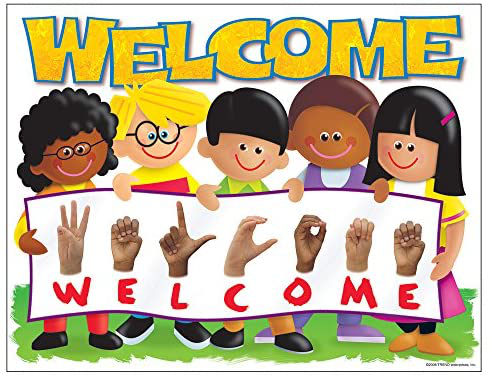
INSTRUCTIONS: STUDENT DEMOGRAPHICS (APPLICATION TO PRACTICE)
1. In 250 words or less, describe the grade level and kind of class to which you feel you can reasonably be expected to be assigned for your first year of teaching in the greater Los Angeles area. This is a first- person narrative introducing your class as if it were real. The class you describe must contain both English language learners, as well as at least two students with special physical, emotional, or learning needs. Your description should provide relevant details about where, what, and who you'll be teaching including: grade level, age range, gender breakdown, ethnic/cultural background, socio-economic status, family/living situation, dominant learning styles, and special physical/learning/language needs.
2. Describe some of the strategies you will implement to maximize the ability of your
students to learn in the following areas by providing all of the information requested
as follows:
1) Detail one strategy you will use to accommodate these kinds of needs/behaviors,
the effect it will have on students.
2) What effect will your strategy have on students, and how will it impact ability
to learn? Be specific and provide a concrete measurable positive impact on learning.
3) Identify why the strategy you provided is valid in terms of the theories and concepts
discussed in class. Support your reasoning with a quote properly cited from the text
or other academic resource.
4) Describe how your strategy meets one TPE. Identify the TPE number and heading.
Also include the exact citation, in quotes, from the specific section of the TPE to
which you're referring and how the strategy meets that TPE.
3. Please select four needs/behaviors to respond to Question #2 (see above)
a) Needs/Behaviors Related to Age
b) Needs/Behaviors Related to Cognitive Development
c) Needs/Behaviors Related to Emotional/Social Development
d) Needs/Behaviors Related to Learning Style Difference
e) Needs/Behaviors Related to Ethnic/Cultural Difference
f) Needs/Behaviors Related to Socio-Economic Difference
g) Needs/Behaviors Related to Physical, Emotional, and Learning Difference
h) Needs/Behaviors Related to Language Fluency Difference
II. My Essential Rules, Consequences & Procedures
INSTRUCTIONS: RULES & PROCEDURES (APPLICATION TO PRACTICE)
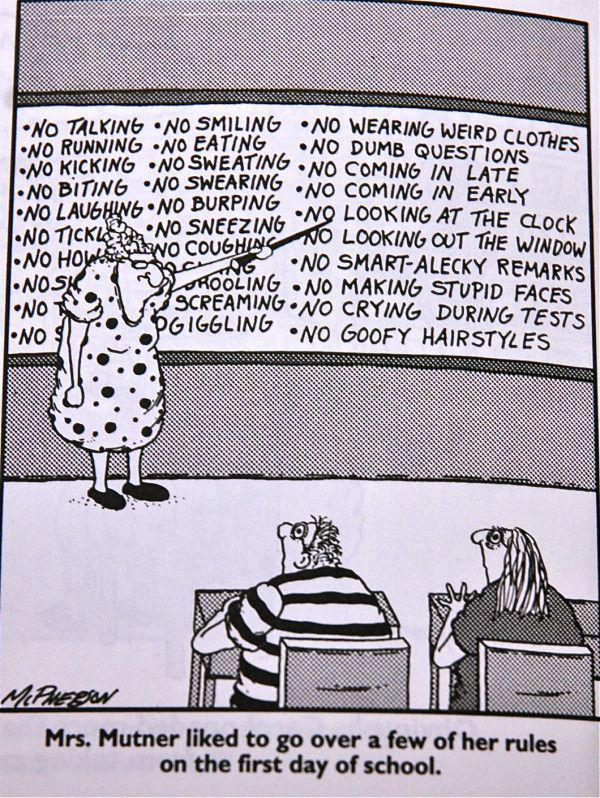
INSTRUCTIONS: RULES & PROCEDURES (APPLICATION TO PRACTICE)
1. Use the outline below to generate the comprehensive set of the rules, procedures,
and policies you will establish as a teacher to effectively/efficiently manage your
classroom in a way that maximizes the ability of all of your DHH students to learn.
Keep your answers brief and to the point.
A) Statement of Intent
1) Grade and age of DHH student for which your rules, procedures, and policies are
designed.
2) Statement describing the type of learning environment you intend to create in your
classroom. What is the mood you are you hoping to set? (i.e. vibrantly collaborative,
creative and flexible v. quietly welcoming, self-directed, and disciplined).
3) Identify the impact on learning your strategy will have. Be specific and make sure
you clearly state a measurable impact on learning.
4) Describe how the strategy you've described above meets one or more TPEs, identified
by number and heading, and including a citation, in quotes, from the specific section
of text to which you're referring.
B) Rules
1) List of rules outlining the expectations you have of DHH students and/or their
behavior
2) Rationale behind # of rules and intent of each.
3) Developing, implementing, communicating, and maintaining rules are important for
classroom management. Identify how/why your rules positively impact DHH student learning.
Be specific and provide a concrete measurable positive impact on learning.
4) Describe how Developing, implementing, communicating, and maintaining your rules
meets one TPE. Identify the TPE number and heading. Also include the exact citation,
in quotes, from the specific section of the TPE to which you're referring and how
the strategy meets that TPE.
C) Procedures
1) List the transitional procedures you will teach/expect students to use for:
a) Transitioning into the classroom at the start of the school day. For example, do
all DHH students enter at once, or a few at a time? Explain where students will put
their coats, backpacks, lunches, lunch tickets, show-and-tell items, homework, and
notes from home.
b) Transitioning into/out of the classroom: For lunch, recess, assemblies, etc. How
do DHH student get ready, get items and get dismissed for each?
c) Identify why your transitional procedures are valid in terms of the theories and
concepts discussed in class. Support your reasoning with a quote properly cited from
the text or other academic resource.
d) Describe how developing, implementing, communicating, and maintaining your transitional
procedures meets one TPE. Identify the TPE number and heading. Also include the exact
citation, in quotes.
2) List of the behavioral procedures you will teach/expect students to use for:
a) Provide one procedure for getting student attention.
b) Provide one procedure working in groups or pairs.
c) Provide one procedure to deal with requests to use the bathroom.
d) Developing, implementing, communicating, and maintaining transitional procedures
are important for classroom management. Identify how/why your transitional procedures
positively impact student learning. Be specific and support your reasoning with a
quote properly cited from the text or other academic resource.
e) Describe how developing, implementing, communicating, and maintaining your behavioral
procedures meets one TPE. Identify the TPE number and heading. Also include the exact
citation, in quotes.
D) Motivation, Reinforcement, and Modeling the Behavior You Seek to Elicit
- Describe the primary means by which you intend to motivate student compliance with classroom rules, procedures, and policies.
- Describe the primary means by which you intend to reinforce, or reward students for compliance.
- Motivating students to follow rules is important for classroom management. Identify how/why your plan to motivate, reinforce and model rules positively impact student learning. Be specific and support your reasoning with a quote properly cited from the text or other academic resource.
- Describe how your plan to motivate, reinforce and model rules meets one TPE. Identify the TPE number and heading. Also include the exact citation, in quotes.
E) Design of Classroom Rules
Using the software program of your choice, create an 8-1/2" x 11" flyer listing your classroom rules for students to take home, share with their parents, and post for future reference. The layout, language, font style/choice, and use of color/graphics should clearly reflect both the kind of teacher you are, and the kind of learning environment you seek to create in your classroom. It should be visually engaging, well organized, easy to read, and absolutely free of any errors in spelling/grammar.
III: My Fabulously Effective Classroom Environment
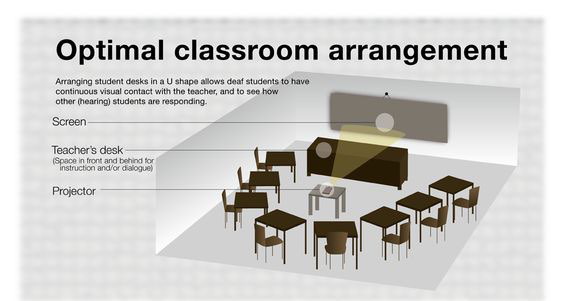
INSTRUCTIONS: CLASSROOM LAYOUT (APPLICATION TO PRACTICE)
Select the EIGHT (8) most significant elements you've incorporated in your design.
Then, for each element you list explain how, why, and/or in what ways it works to
facilitate ability to learn with at least one quote with proper citation from a reliable
education article that supports the value of that element.
1) Detail one physical element you will you've incorporated in your classroom design
and the effect it will have on students.
2) What effect will this element have on students, and how will it impact ability
to learn? Be specific and provide a concrete measurable positive impact on learning.
3) Identify why the element you provided is valid in terms of the theories and concepts
discussed in class. Support your reasoning with a quote properly cited from the text
or other academic resource.
4) Describe how the element you've incorporated meets one TPE. Identify the TPE number
and heading. Also include the exact citation, in quotes, from the specific section
of the TPE to which you're referring and how the strategy meets that TPE.
Provide the number, heading, and exact quote of one TPE this strategy meets.
IV. Planning for Effective Instruction & Assessment
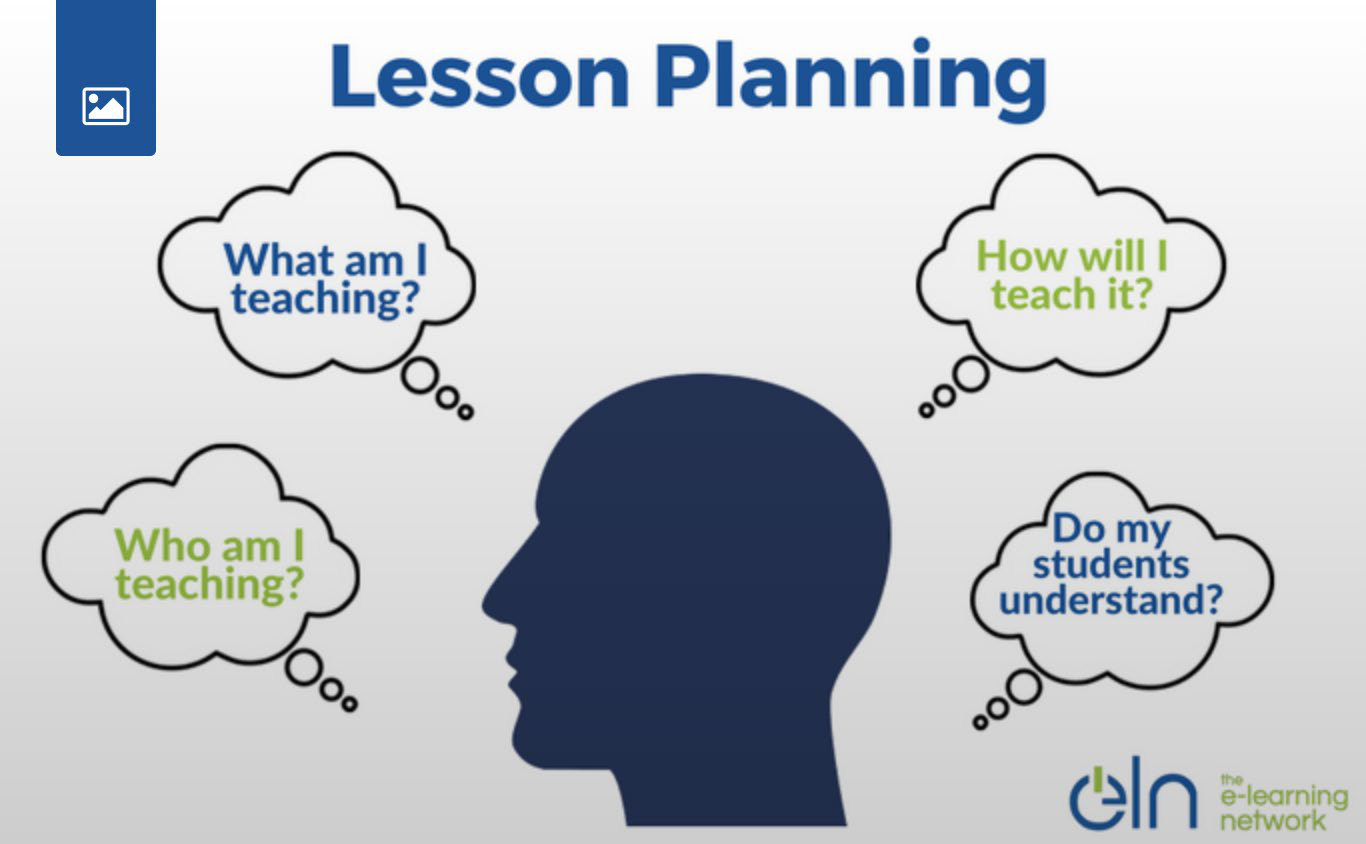
INSTRUCTIONS: PLANNING & TEACHING (APPLICATION TO PRACTICE)
Using the following outline, detail the guidelines/strategies you will implement when developing lesson plans and instructional practices in preparation for your first year in the classroom:
Lesson Planning:
1) Detail one strategy you will use to introduce lesson plans, instructional practice
or new
2) concepts to students that promotes a connection to prior knowledge.
3) What effect will it have on students, and how will it impact ability to learn?
Be specific and support your reasoning with a quote properly cited from the text or
other academic resource.
4) Describe how your strategy meets one TPE. Identify the TPE number and heading.
Also include the exact citation, in quotes, from the specific section of the TPE to
which you're referring and how the strategy meets that TPE.
Student Engagement:
1) Detail one strategy you will use in lesson planning or implementation to promote
student
2) engagement that includes integrating visual and/or performing arts?
3) What effect will it have on students, and how will it impact ability to learn?
Be specific and support your reasoning with a quote properly cited from the text or
other academic resource.
4) Describe how your strategy meets one TPE. Identify the TPE number and heading.
Also include the exact citation, in quotes, from the specific section of the TPE to
which you're referring and how the strategy meets that TPE.
Use of Multimedia and Technology:
1) Detail one strategy you will use in lesson planning or implementation that uses
a range of technology, including assistive technology, to facilitate students’ equitable
access to the curriculum.
2) What effect will it have on students, and how will it impact ability to learn?
Be specific and support your reasoning with a quote properly cited from the text or
other academic resource.
3) Describe how your strategy meets one TPE. Identify the TPE number and heading.
Also include the exact citation, in quotes, from the specific section of the TPE to
which you're referring and how the strategy meets that TPE.
Use of Authentic Materials and Manipulatives:
1) Detail one strategy that uses authentic materials and manipulatives to maximize
learning
2) opportunities for linguistic, cultural, & developmental differences in students.
3) What effect will it have on students, and how will it impact ability to learn?
Be specific and support your reasoning with a quote properly cited from the text or
other academic resource.
4) Describe how your strategy meets one TPE. Identify the TPE number and heading.
Also include the exact citation, in quotes, from the specific section of the TPE to
which you're referring and how the strategy meets that TPE.
Providing for the Diversity of Learning Styles and Needs
1) Detail one strategy you will use in lesson planning or implementation to support
diversity of learning styles and needs.
2) What effect will it have on students, and how will it impact ability to learn?
Be specific and support your reasoning with a quote properly cited from the text or
other academic resource.
3) Describe how your strategy meets one TPE. Identify the TPE number and heading.
Also include the exact citation, in quotes, from the specific section of the TPE to
which you're referring and how the strategy meets that TPE.
Assessment of Instructional Understanding:
1) Detail one strategy related to assessment of instructional understanding that you
will use in lesson planning.
2) What effect will it have on students, and how will it impact ability to learn?
Be specific and support your reasoning with a quote properly cited from the text or
other academic resource.
3) Describe how your strategy meets one TPE. Identify the TPE number and heading.
Also include the exact citation, in quotes, from the specific section of the TPE to
which you're referring and how the strategy meets that TPE.
V. Communicating with Parents

INSTRUCTIONS: PARENT INTERVIEW (APPLICATION TO PRACTICE)
1. Parent Introductions
a) Compose a one-page newsletter introducing yourself to parents to be sent home with
students on the first day of school. Your goal is to create the kind of first impression
that establishes your interest in, and ability to work with them to make their DHH
child's learning experience as positive, meaningful, and productive as possible. This
will require more than simply providing them with your name and contact information.
Design the newsletter with clear sections that will be used for every newsletter to
follow. For Example: a teacher's corner information about important topics, all about
you - introducing different class members, upcoming events, current academic topics,
etc. Design this newsletter like the first one for the year. Think about what they
don't, but definitely need, or might simply want to know.
b) Describe how your strategy meets one TPE. Identify the TPE number and heading.
Also include the exact citation, in quotes, from the specific section of the TPE to
which you're referring and how the strategy meets that TPE.
2. Parent/Teacher Conferences
a) Make a checklist of five things you will do or talk about with every parent when
you meet to conference about student learning progress, and explain how/why each step
is important. For example. 1. I will greet the parents at the door to make them feel
welcome and appreciated. This sets a positive tone.
b) Describe how the strategy of creating effective parent communication and conferences
meets one TPE. Identify the TPE number and heading. Also include the exact citation,
in quotes, from the specific section of the TPE to which you're referring and how
the strategy meets that TPE.
VI. Understanding Assessment

INSTRUCTIONS: ASSESSMENT TOOLS LIST
Create a list that answers all parts of the question. Define and provide some examples
on how to use these types of assessment tools to improve student learning. Please
provide clear, accurate information.
1) Identify informal assessments that assess learning. Provide examples. How are they
used to assess the students’ progress in subject areas such as reading and math? How
might one use informal assessments? Provide a quote with the appropriate citation
that identifies how this assessment tool clearly impacts learning.
2) Identify authentic/performance assessments. Provide examples. How are they used
to assess the students’ progress in subject areas such as reading and math? How might
one use authentic assessments? Provide a quote with the appropriate citation that
identifies how this assessment tool clearly impacts learning.
3) Identify feedback & rubrics. What types of feedback are there? What type of feedback
is most useful? How can feedback promote student learning? What are rubrics? Provide
examples. How are they used to assess students’ work? How might one use rubrics? Provide
some quotes with the appropriate citation that identifies how these assessment tools
clearly impact learning.
4) Identify diagnostic tests. Differentiate between formal diagnostic tests and informal
ones. Provide examples. How are they used to assess students’ levels in subject areas
such as reading and math? How might one use formal diagnostic tests? Provide a quote
with the appropriate citation that identifies how this assessment tool clearly impacts
learning.
5) Identify formative & summative assessments. Provide Examples. How are they used
to assess students’ levels in subject areas such as reading and math? How might one
use these assessments? Provide quotes with the appropriate citation that identifies
how these assessment tools clearly impact learning.
6) Identify formal assessments that assess learning. Differentiate between typical
formal assessments and standardized tests. Provide examples. How are they used to
assess the students’ progress in subject areas such as reading and math? How might
one use formal assessments? Provide a quote with the appropriate citation that identifies
how this assessment tool clearly impacts learning.
RESOURCES
Some suggested textbooks/resources:
Canter, L. (2014) Lee Canter’s classroom management for academic success. (4th ed.).
Bloomington, IN: Solution Tree.
Evertson, C. M., Emmer, E. T., & Worsham, M. E. (2006). Classroom management for elementary
teachers. Boston: Pearson/A and B.
Nagode, L., & Stohl, E (2015) Learn to learn to teach to learn. Northridge, CA: CSUN.
Slavin, R. (2012) Educational psychology: Theory and practice. (10th ed.). Boston:
Allyn & Bacon
Sternberg, R. J., (2009) Educational psychology. (2nd ed.). Boston: Pearson.
Wong, H. (2009). The first days of school: How to be an effective teacher. (4th ed.)
Mountain View: Harry K. Wong Publications.
Publications of state and national professional organizations:
California Department of Education
California Commission on Teacher Credentialing
California Association for Bilingual Education (CABE)
California Preschool Instructional Network
California Reading Association (CRA)
Council on Education of the Deaf (CED)
National ASL Education of Heritage Language Learners
National ASL & Early Childhood Education English Bilingual Consortium
Council for Exceptional Children
Education Resources Information Center (ERIC)
ERIC Clearinghouse on Elementary and Early Childhood Education
International Literacy Association
National Association for Bilingual Education (NABE)
National Council of Teachers of English (NCTE)
Reading Rockets (National Multimedia Literacy Initiative)
Teachers of English to Speakers of Other Languages (TESOL)
What Works Clearinghouse (WWC)
Standards and resources available on the Internet:
1. CSU-Fresno Lesson Plan Template
http://www.fresnostate.edu/kremen/documents/placements/sped/lesson_plan_template.pdf
2. K-12 ASL Content Standards
https://www.gallaudet.edu/k-12-asl-content-standards
3. California Common Core State Standards for English language arts and literacy in
history/ social studies, science, and technical subjects. (2019) California Department
of Education.
https://www.cde.ca.gov/re/cc/
4. California English Language Development Standards. (2012). California Department
of Education.
https://www.cde.ca.gov/sp/el/er/documents/eldstndspublication14.pdf
5. Common Core State Standards in Mathematics. (2013).
https://www.cde.ca.gov/be/st/ss/documents/ccssmathstandardaug2013.pdf
6. Common Core State Standards in Science. (2013).
https://www.cde.ca.gov/pd/ca/sc/ngssstandards.asp
7. History-Social Science Content Standards. (1998). California Department
of Education. https://www.cde.ca.gov/be/st/ss/documents/histsocscistnd.pdf
8. Visual and Performing Arts Content Standards. (2019). California Department of
Education. https://www.cde.ca.gov/be/st/ss/vapacontentstds.asp
9. Physical Education Model Content Standards. (2005). California Department of Education.
https://www.cde.ca.gov/be/st/ss/documents/pestandards.pdf
10. Health Content Standards. (2008). California Department of Education. https://www.cde.ca.gov/BE/ST/SS/documents/healthstandmar08.pdf
11. Language objectives: The key to effective content area instruction for English
learners learners by Jennifer Himmel. (2012).
https://www.colorincolorado.org/article/language-objectives-key-effective-content-area-instruction-english-learners
12. Effective literacy and English language instruction for English learners in the
elementary grades. (2007). https://ies.ed.gov/ncee/wwc/Docs/PracticeGuide/20074011.pdf
This HTML version was generated with AI assistance and may contain errors or omissions. The original approved PDF remains the official document of record. An alternative accessible format is available upon request from the document creator in accordance with Title II of the ADA.